

Septic Pumping New Milford CT
Regular septic pumping and maintenance help prevent backups, protect your leach field, and extend the life of your system.
J.C. Nota Septic Service provides septic pumping and maintenance services for homeowners from New Milford through Ridgefield and surrounding Connecticut towns.
Most homes benefit from professional pumping and inspection every 2–3 years depending on household size and water usage.
Understanding Operational Liquid Level
A septic tank is a watertight structure that receives all household wastewater, but its liquid level remains constant by design. The moment the tank is put into service, it fills with water up to the height of the outlet pipe’s invert, which is the bottom of the pipe leading to the drain field. This constant level is necessary for proper hydraulic function.
Wastewater enters the tank, and hydraulic displacement occurs: every gallon of water that flows in pushes out an equal gallon of treated liquid, known as effluent, out toward the drain field. This continuous displacement ensures the liquid level stays fixed at the outlet pipe’s elevation. Inside the tank, the wastewater naturally separates into three distinct layers: a scum layer of fats, oils, and lighter solids that floats on top; a middle layer of clarified effluent; and a bottom layer of heavy solids, called sludge, that settles out.
The true measure of a septic tank “filling up” is the rate at which non-degradable solids accumulate into the sludge and scum layers. These layers slowly reduce the tank’s liquid capacity and can eventually block the outlet pipe, which can cause several issues throughout the leaching field including septic system failure if not corrected in a timely manner. Several household factors directly influence the speed of this solid buildup.
Household size is the most significant variable, as more occupants equate to a greater volume of waste and solids entering the tank. A single person will produce sludge much slower than a family of five, which generates a higher daily load of solids and wastewater. The size of the septic tank itself also plays a role; a larger tank provides more surface area and detention time, allowing solids to settle and decompose more effectively, thus slowing the rate at which the required pumping depth is reached.
Water usage habits also affect solid accumulation, though indirectly, by influencing the hydraulic load on the system. Excessive water use from frequent laundry or long showers forces the liquid through the tank too quickly, reducing the time available for solids to settle and for anaerobic bacteria to break them down.
Septic Maintenance & Filter Cleaning
.jpg)
The Role of Effluent Filters
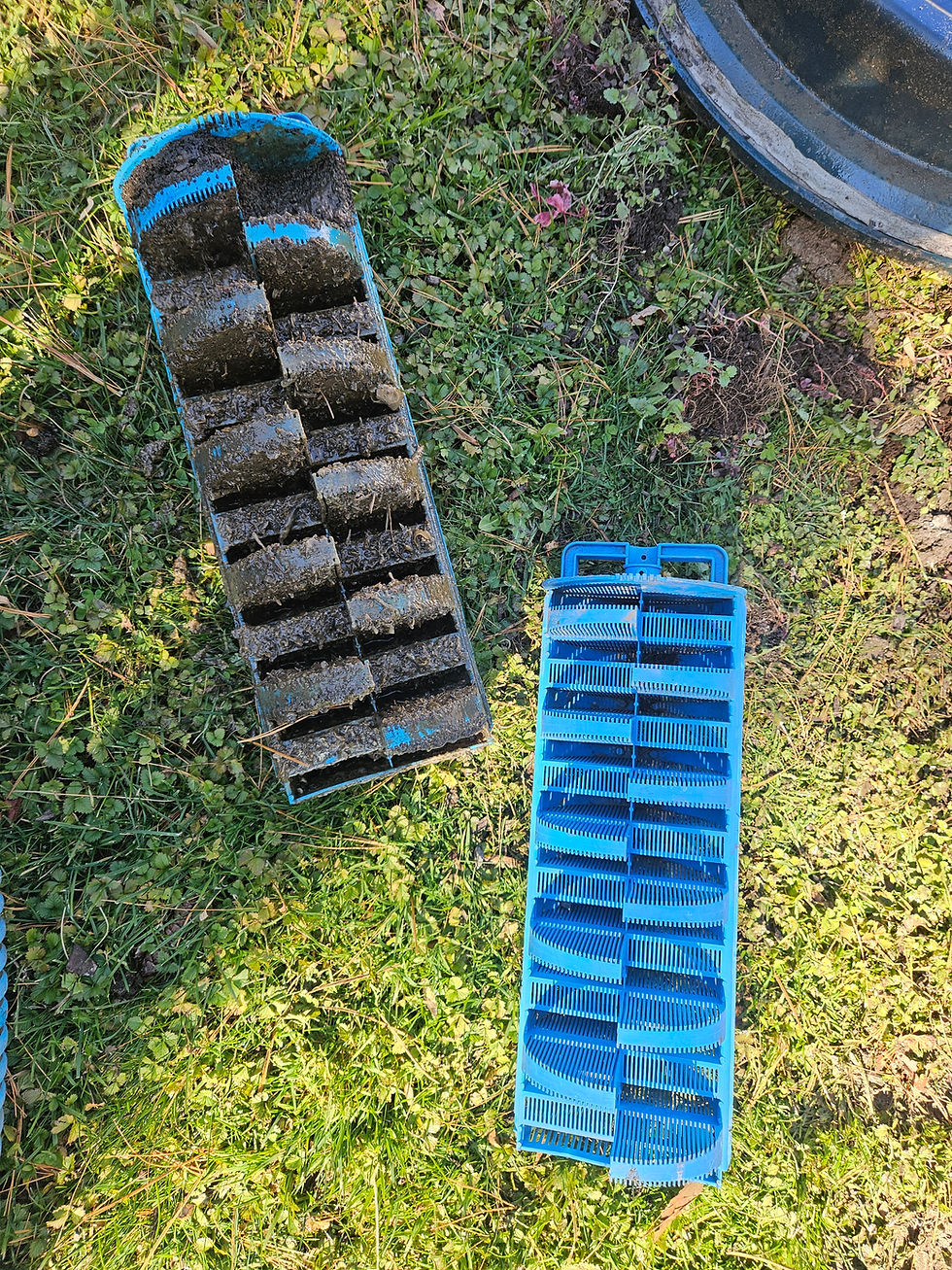
The effluent filter serves as your system’s last line of defense, trapping lint, hair, and grit before they can reach the leach field. We provide professional cleaning to ensure unrestricted flow; neglecting this simple maintenance step can lead to elevated water levels within the septic tank which can lead to backups and possible puddling in the yard near the septic tank. Regular filter care is the key to ensuring the septic tank performs as designed.
Maintenance Scheduling & Care
For optimal reliability, we recommend a professional septic cleaning every 2-3 years. However, effluent filters typically require more frequent attention—cleaning them annually ensures consistent performance and prevents the unexpected backups that can disrupt your home’s comfort.
Septic Care FAQ
How often should I pump my septic tank in Connecticut?
Most Connecticut homes require professional pumping every 2-3 years. This frequency prevents solid waste build-up from clogging your system and damaging your leach field.
What are the signs my septic system needs immediate service?
Watch for slow drains, gurgling sounds in your pipes, or unusually wet spots in your yard. Persistent foul odors around the tank area are also strong indicators that service is needed.
What items are safe to flush and what should I avoid?
Only flush human waste and toilet paper down your drains. Avoid flushing wipes, grease, paper towels, or other materials that can clog your system.
Was my tank full?
A septic tank is a continuous flow-through system designed to separate solids and liquids, meaning it is perpetually full of liquid to operate correctly. The maintenance concern is not about the liquid volume, but rather the accumulation of solid waste that must be removed on a preventative schedule.
How much does a septic cleaning cost?
The cost of a septic cleaning varies on the tank volume, depth and distance. Additional fees apply if the tank lid is deeper than the required 12" code depth. If you have a filter there is an additional fee for filter cleaning.
What should I do if my septic system has an emergency backup?
Cease all water usage immediately—don't flush toilets or run faucets. Call J.C. Nota Septic Service for priority assistance to address the backup and protect your home.